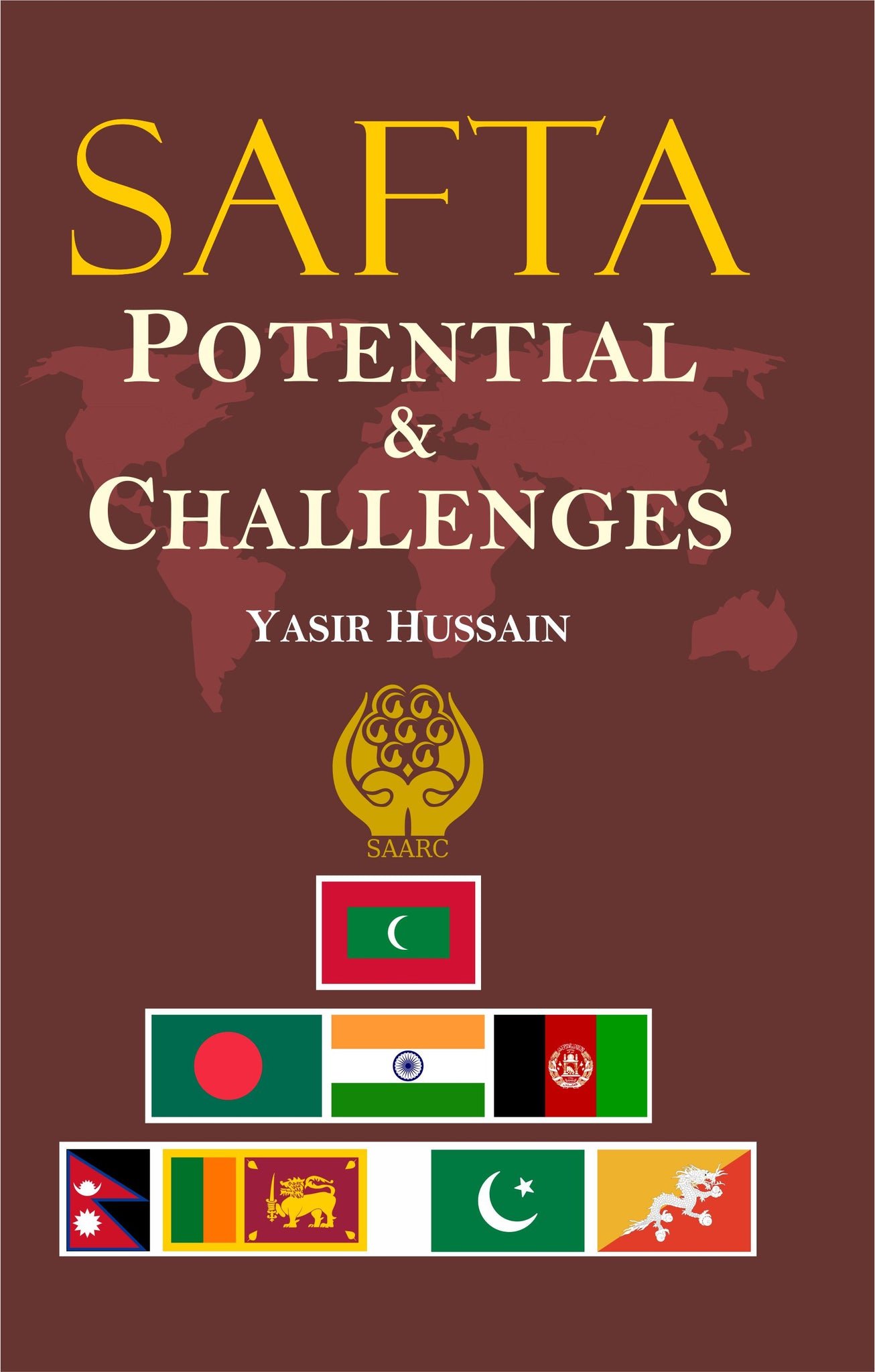
South Asian Free Trade Area (SAFTA), still in infancy compared to other regional arrangements, promises to take SAARC to new heights. Signed on 6 January 2004, it came into force on 1 January 2006. It aims at promoting and enhancing mutual trade and economic cooperation among SAARC countries. This book attempts to analyze whether SAFTA is likely to emerge as a success story in terms of greater flow of goods and services as well as in promoting economic integration in South Asian region. Also, it examines the emerging challenges facing the SAFTA. The texts of the Agreement on South Asian Free Trade Area and SAFTA Rules of Origin have been annexed as well.
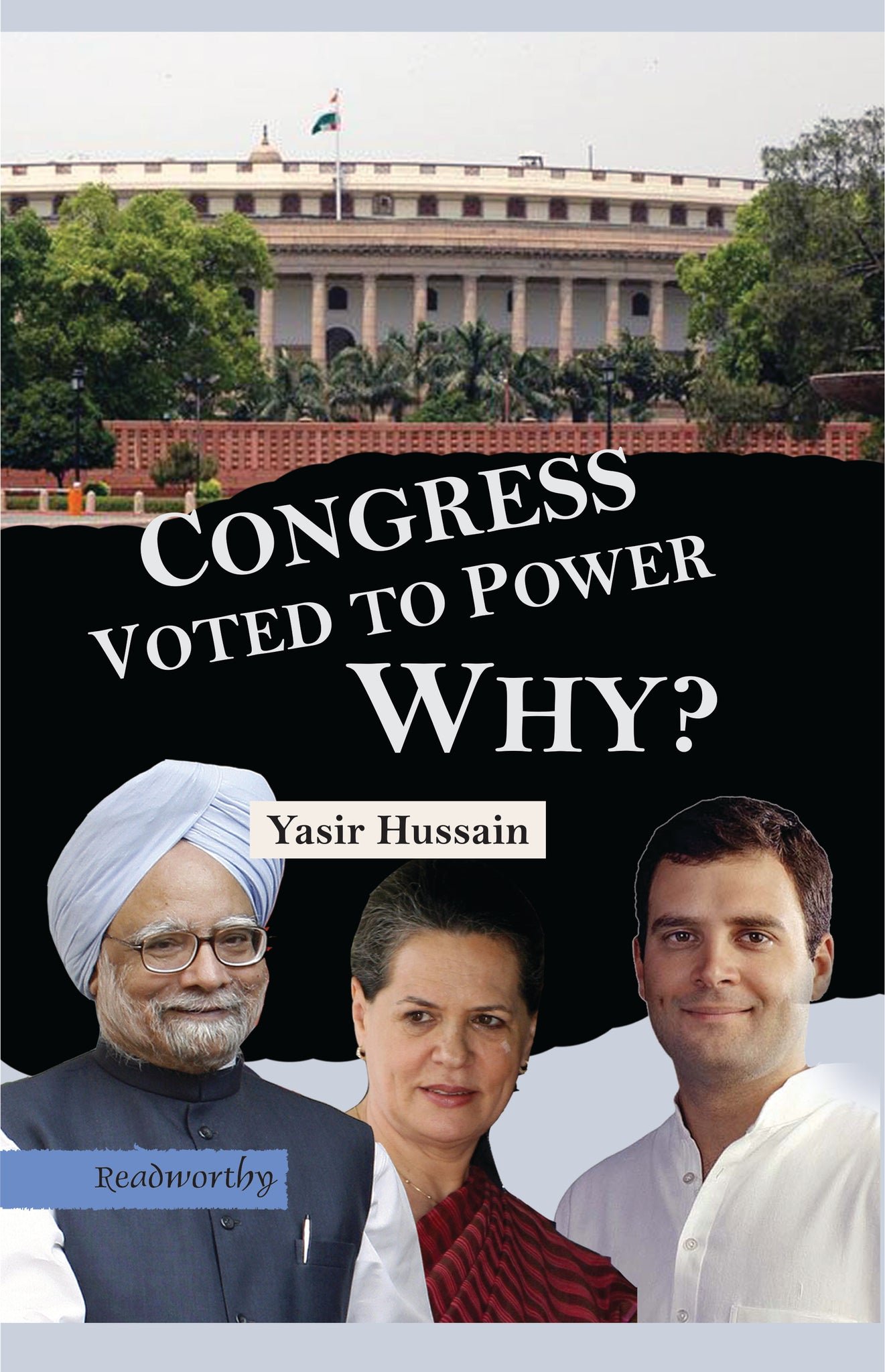
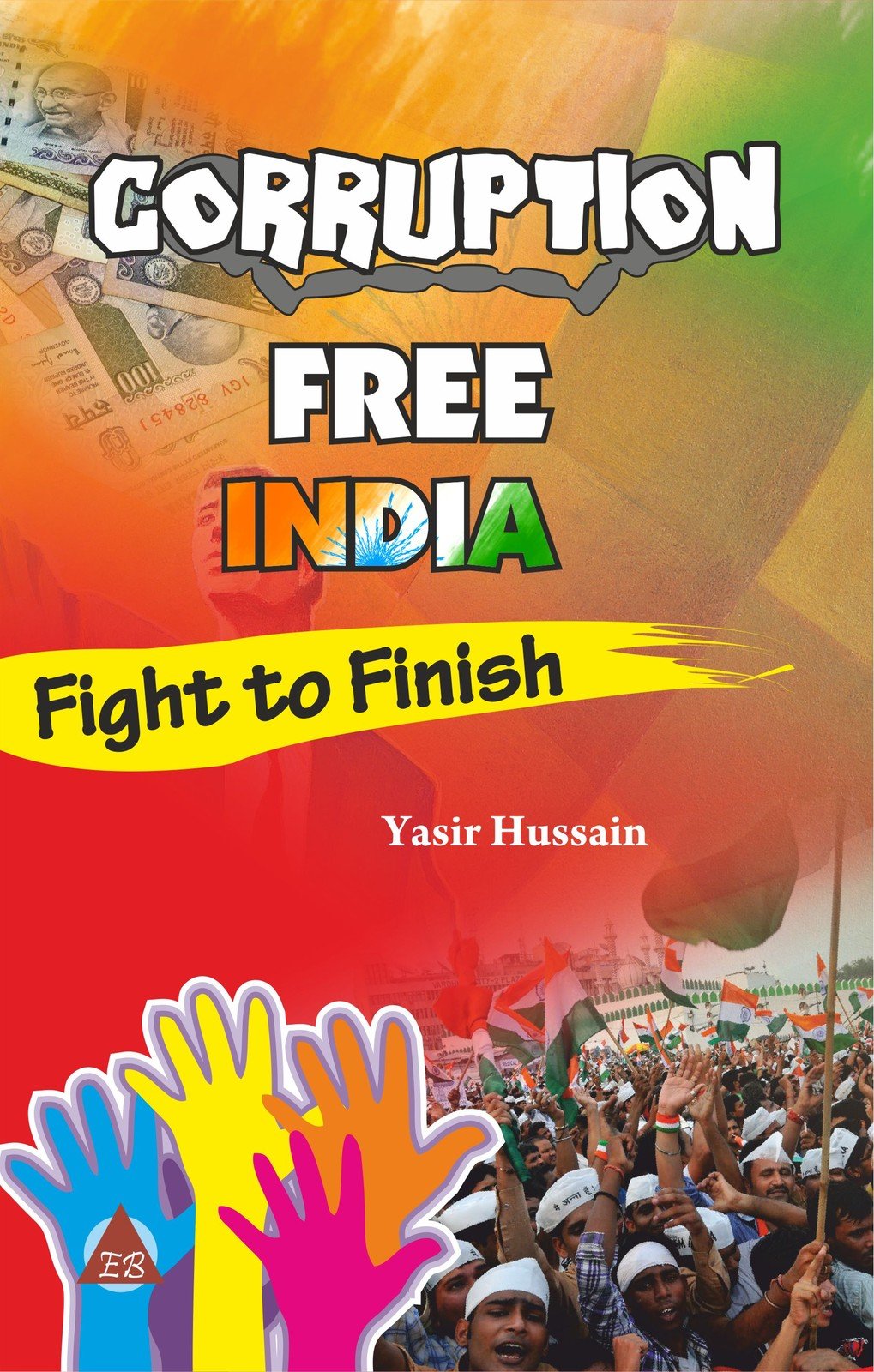
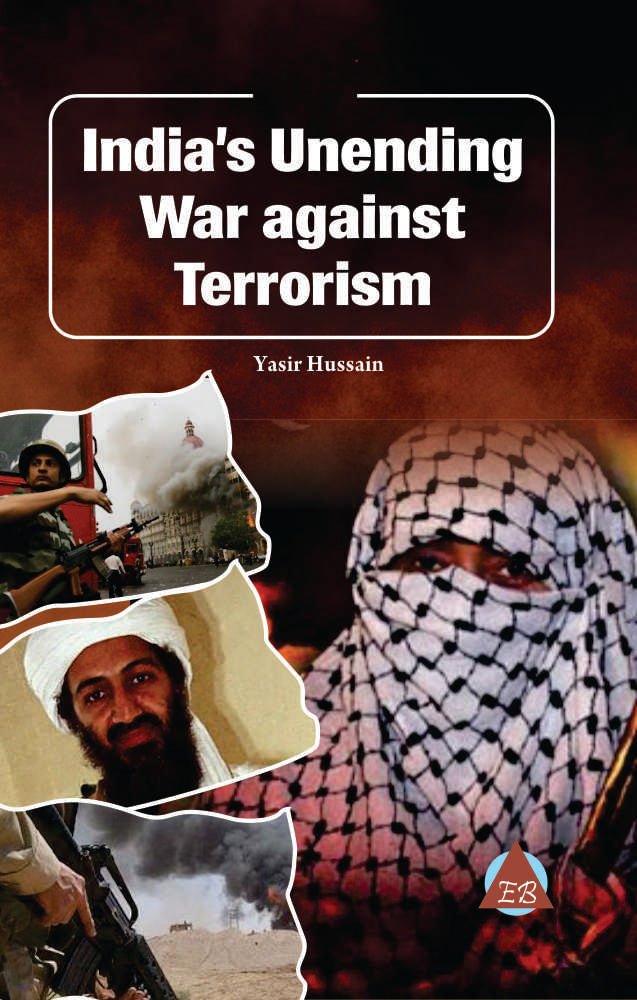
Yasir Hussain (1976-) is a journalist qualified from the Jamia Millia Islamia University, New Delhi. He regularly writes for different magazines and newspapers on socio-political issues. Also, he has to his credit four books, namely—“Congress Voted to Power Why?”, “Corruption Free India: Fight to Finish”, “India’s Unending War against Terrorism” and “SAFTA: Potential and Challenges”.
Introduction -- SAFTA: A Step towards South Asian Economic Union? -- Role of SAFTA in Economic Cooperation -- How Promising is SAFTA? -- Impact of SAFTA on South Asia -- Role of SAFTA in Indo-Pakistan Relations -- Economic Integration in South Asia under SAFTA -- From Discord to Free Trade in South Asia -- Free Trade in South Asia: A Key Pillar of Regional Integration -- Regional Cooperation in South Asia: Need to Accelerate Intra-SAARC Trade -- Regional Economic Integration in South Asia: The Role of SAFTA
Machine-readable records for libraries and trade partners.
ONIX Record MARC Record (XML) MARC Record (.mrc)Login to write a review.
Shhalaj supports aspiring and established authors through thoughtful publishing, educational guidance and long-term knowledge ecosystems.
Whether you are working on your first manuscript or continuing a lifelong writing journey, your work deserves meaningful publishing support.